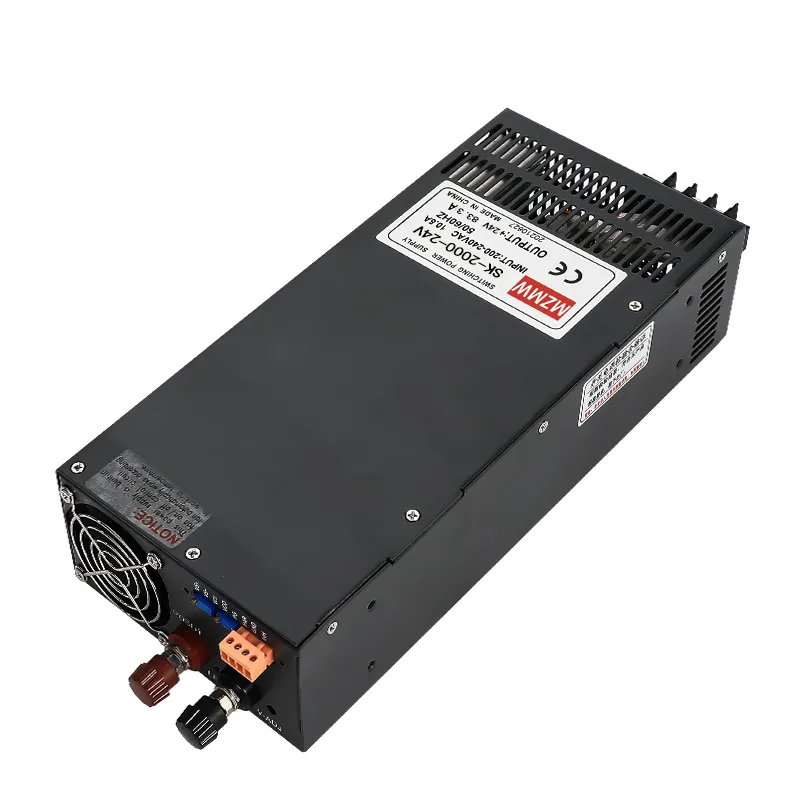
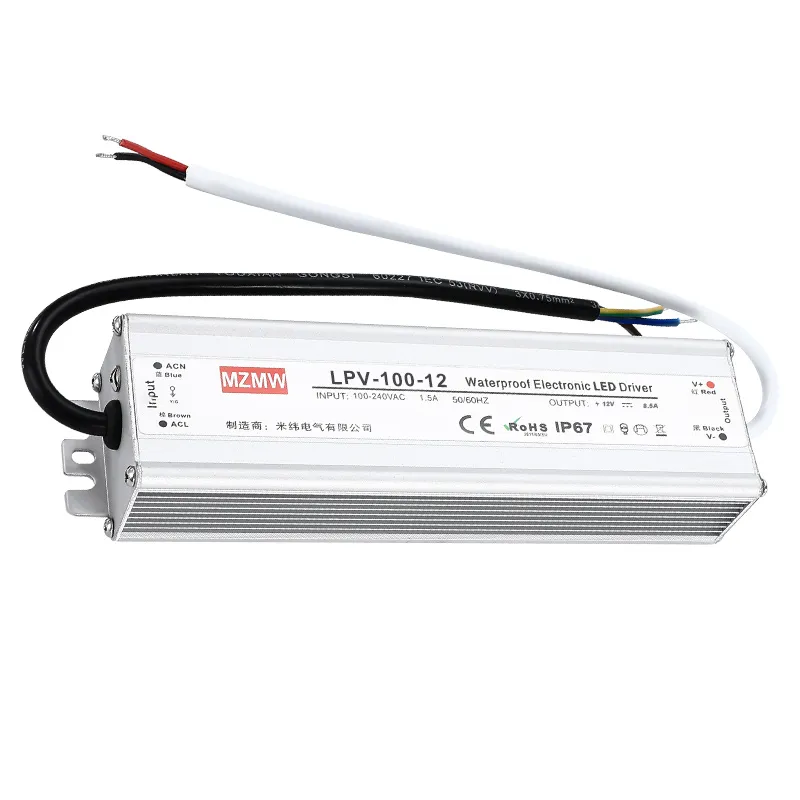
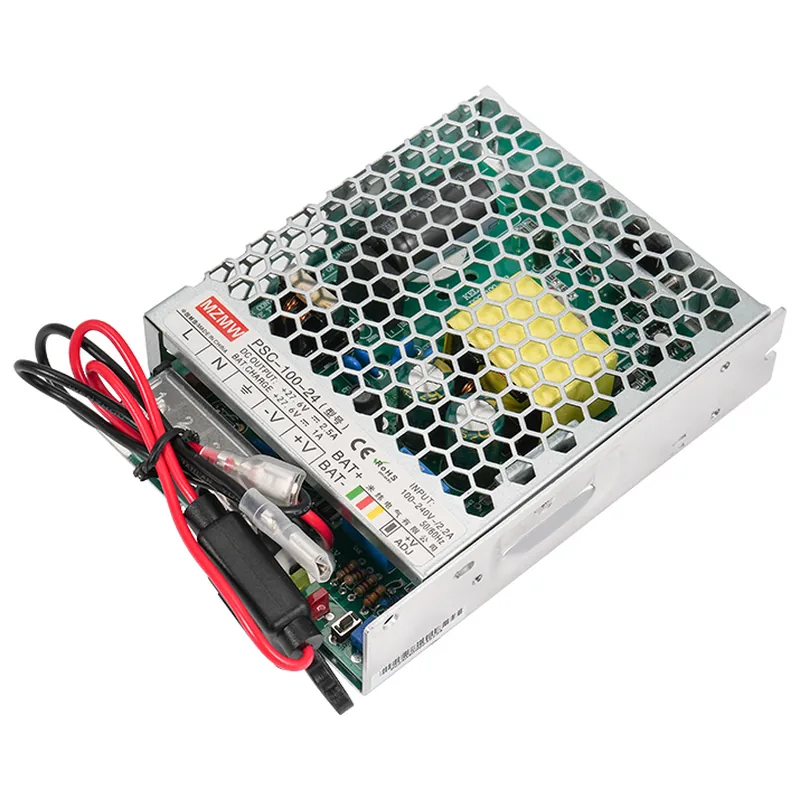
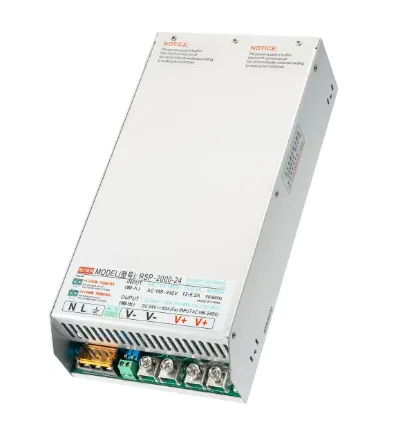
Executive Overview
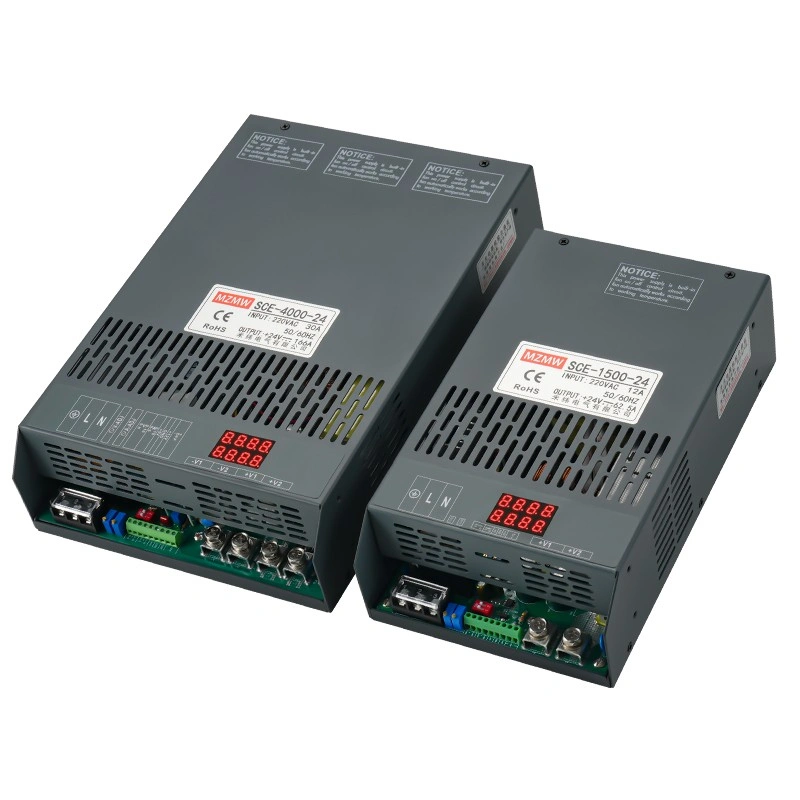
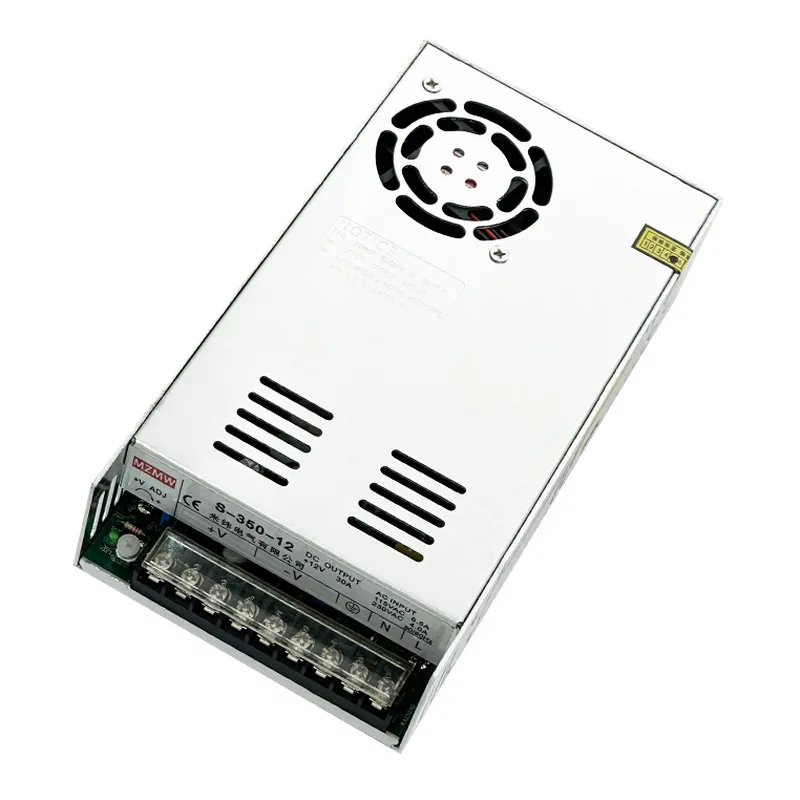
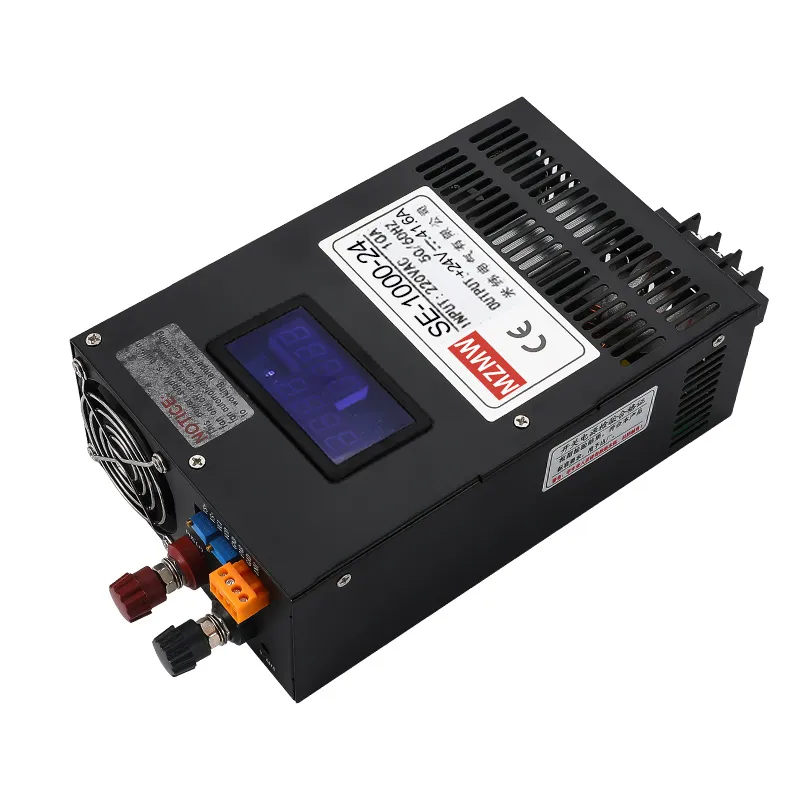
A Switch-Mode Power Supply (SMPS) is a power conversion circuit that transfers electrical energy from an AC or DC source to DC loads using high-frequency semiconductor switches (MOSFETs or IGBTs) that alternate between low-resistance on-states and high-resistance off-states. Unlike legacy linear power supplies that dissipate excess voltage as wasteful heat, an SMPS achieves typical energy efficiencies between 85% and 95%, dramatically shrinking magnetic component sizes and cabinet footprints.
How SMPS Operates: High-Frequency Energy Transfer
The core operating principle of a modern SMPS relies on Pulse-Width Modulation (PWM). AC mains voltage is first rectified and filtered into high-voltage DC. This raw DC is chopped at high frequencies (typically 50 kHz to 200 kHz) by fast-switching power transistors across the primary winding of an isolation transformer.
Because the magnetic core volume required by a transformer is inversely proportional to its operating frequency, increasing the frequency from 50Hz/60Hz grid speeds to 100kHz allows the transformer weight and physical dimensions to shrink by more than 75% compared to linear transformers of equivalent power ratings.
- ●Input Rectification: AC input is filtered through an EMI/EMC choke network and converted to raw DC.
- ●High-Frequency Inversion: PWM controller regulates switching duty cycles to match instantaneous output demands.
- ●High-Frequency Transformer: Steps down the chopped voltage while providing galvanic isolation (typically 3.0KV AC).
- ●Output Rectification & Smoothing: High-speed Schottky barrier diodes and low-ESR electrolytic capacitors produce clean, low-ripple DC.
SMPS vs. Linear Power Supplies: Comparison Matrix
Linear power supplies regulate voltage by burning off the voltage differential across a linear pass transistor acting as a variable resistor. When stepping down 24V to 5V at 10A, a linear supply dissipates 190W as pure heat while delivering only 50W to the load (20.8% efficiency).
In contrast, an SMPS dynamically adjusts its switching duty cycle, maintaining ≥85% efficiency across wide input voltage ranges and load swings, eliminating the need for massive aluminum extruded heat sinks.
- ✓High conversion efficiency (≥85%) drastically reduces energy waste and control cabinet heat buildup.
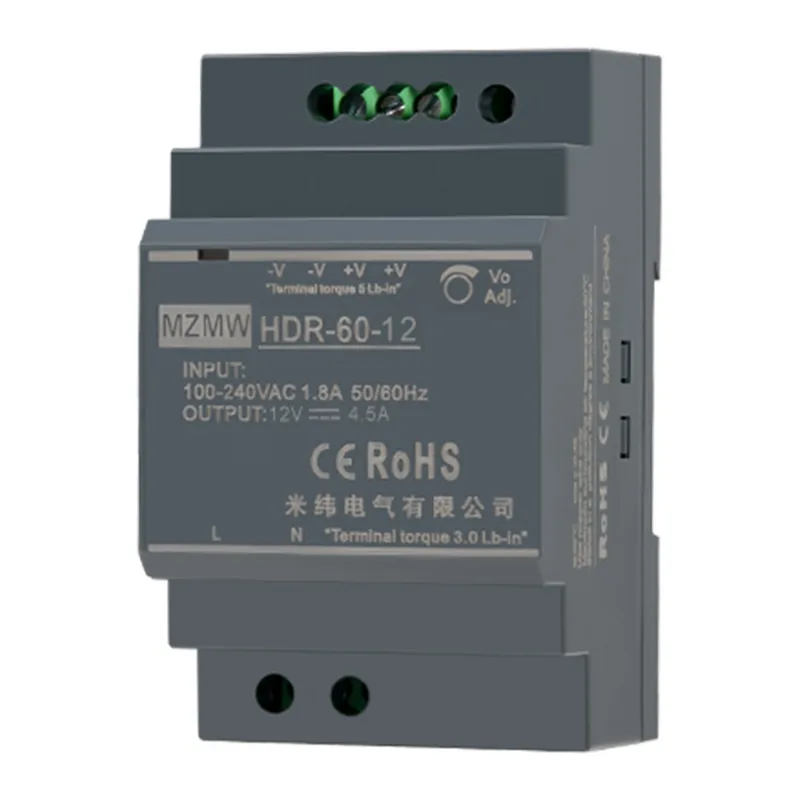
- ✓High-frequency operation enables compact, lightweight enclosures for TS-35 DIN rails and 1U server racks.
- ✓Wide AC input tolerance (100–240V AC) allows universal worldwide single-phase grid deployment.